


As a supplier of laboratory ovens, I often get asked about how to ensure the long - term performance of these essential pieces of equipment. A well - functioning laboratory oven is crucial for accurate and reliable experimental results, so it's important to take good care of it. Here are some key steps you can take to keep your laboratory oven running smoothly for years to come.
Regular Cleaning
One of the simplest yet most effective ways to ensure the long - term performance of a laboratory oven is regular cleaning. Over time, dust, debris, and chemical residues can accumulate inside the oven, which can affect its heating efficiency and even contaminate your samples.
Start by unplugging the oven and letting it cool down completely. Then, use a soft, dry cloth to wipe down the interior and exterior surfaces. For stubborn stains or residues, you can use a mild detergent and a damp cloth. Just make sure to rinse the cloth thoroughly and dry the surfaces completely before plugging the oven back in.
Don't forget to clean the oven's vents and filters as well. Clogged vents can restrict airflow, leading to uneven heating and potentially damaging the oven's heating elements. Remove the vents and filters according to the manufacturer's instructions and clean them with a brush or compressed air.
Proper Installation
Proper installation is another critical factor in ensuring the long - term performance of your laboratory oven. Make sure to place the oven in a well - ventilated area away from flammable materials, direct sunlight, and sources of heat or moisture. The oven should be placed on a stable, level surface to prevent it from tipping over.
When installing the oven, follow the manufacturer's instructions carefully. This includes connecting the oven to the correct power source and ensuring that the electrical connections are secure. Incorrect installation can not only damage the oven but also pose a safety hazard.
Routine Maintenance Checks
Performing routine maintenance checks on your laboratory oven is essential for catching potential problems early. Here are some things you should check regularly:
- Heating Elements: Inspect the heating elements for signs of damage, such as cracks or breaks. Damaged heating elements can cause uneven heating or prevent the oven from reaching the desired temperature. If you notice any damage, replace the heating elements as soon as possible.
- Temperature Sensors: The temperature sensors in your oven are responsible for regulating the temperature. Check the sensors regularly to make sure they are working properly. You can do this by using a separate thermometer to compare the temperature inside the oven with the temperature displayed on the oven's control panel. If there is a significant difference, the temperature sensors may need to be calibrated or replaced.
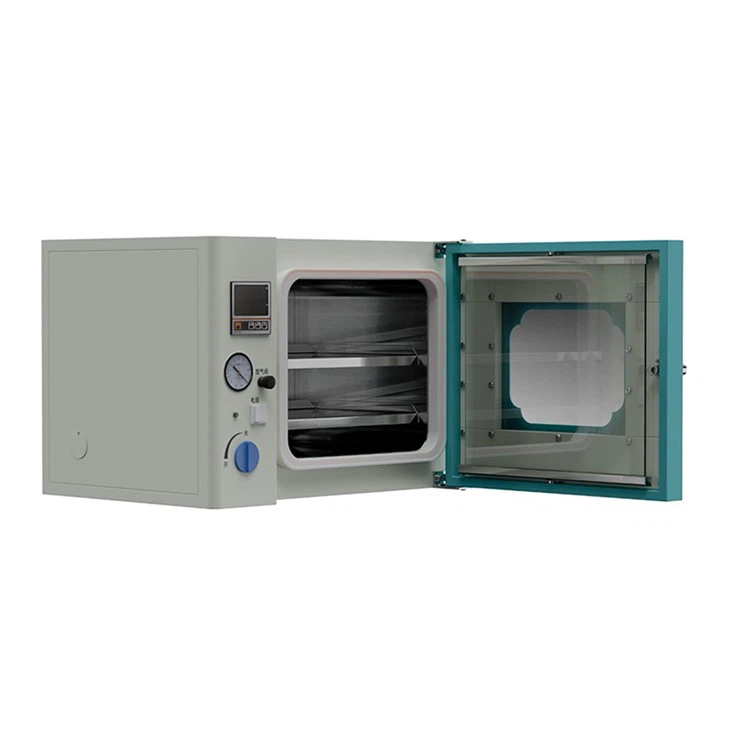
- Door Seals: A good door seal is important for maintaining a consistent temperature inside the oven. Check the door seals regularly for signs of wear or damage, such as cracks or gaps. If the door seals are damaged, they should be replaced to prevent heat loss and ensure accurate temperature control.
Use the Right Accessories
Using the right accessories can also help to ensure the long - term performance of your laboratory oven. For example, using the correct racks and trays can help to distribute heat evenly and prevent damage to the oven's interior. Make sure to choose racks and trays that are made of materials that are compatible with the oven's temperature and chemical environment.
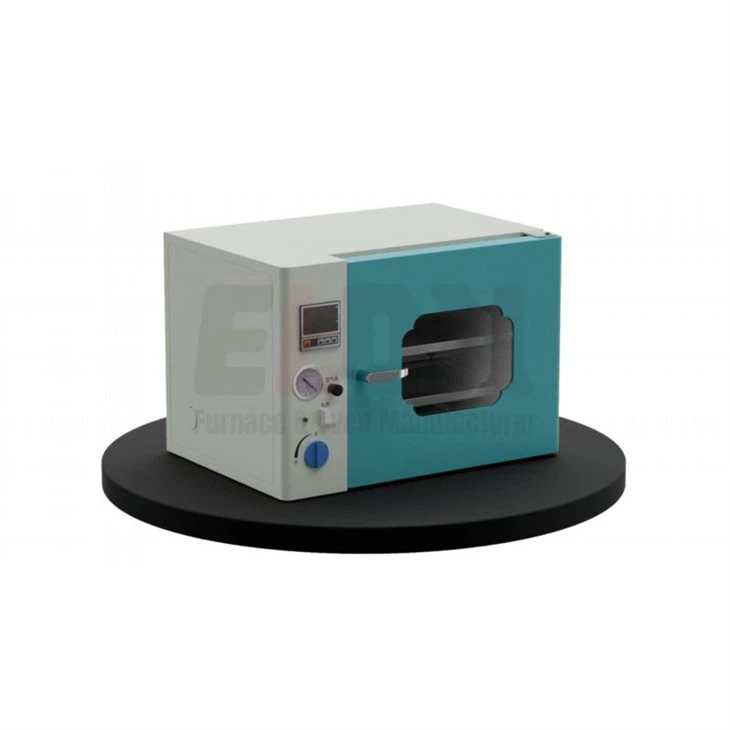
If you need to perform specific types of experiments or processes, consider using specialized accessories such as Lab Vacuum Drying Oven or 250℃ Vacuum Drying Oven. These accessories are designed to meet the specific needs of your experiments and can help to improve the accuracy and reliability of your results.
Train Your Staff
Proper training of your staff is crucial for ensuring the long - term performance of your laboratory oven. Make sure that all users of the oven are familiar with its operation and safety procedures. Provide training on how to clean, maintain, and troubleshoot the oven, as well as how to use it properly for different types of experiments.
Encourage your staff to report any problems or issues with the oven immediately. Early detection and repair of problems can prevent them from becoming more serious and costly to fix.
Follow Manufacturer's Guidelines
Finally, it's important to follow the manufacturer's guidelines for your laboratory oven. The manufacturer's instructions provide valuable information on how to operate, maintain, and troubleshoot the oven. Make sure to read the instructions carefully and follow them closely.
The manufacturer may also recommend specific cleaning products, maintenance schedules, and replacement parts for your oven. Using the recommended products and following the recommended schedules can help to ensure the long - term performance of your oven and may even extend its lifespan.
If you're in the market for a new laboratory oven or need to replace an old one, consider our Small Lab Oven. It's a great option for laboratories with limited space or for those who need a more compact oven for specific applications.
Ensuring the long - term performance of a laboratory oven requires a combination of regular cleaning, proper installation, routine maintenance checks, using the right accessories, training your staff, and following the manufacturer's guidelines. By taking these steps, you can keep your laboratory oven running smoothly and accurately for years to come.
If you have any questions about our laboratory ovens or need advice on how to maintain them, don't hesitate to contact us. We're here to help you get the most out of your equipment and ensure the success of your experiments.
References
- Laboratory Oven User Manuals
- Industry Standards for Laboratory Equipment Maintenance


