When dealing with laboratory equipment, understanding the specifications of each device is crucial. One such essential piece of equipment in many laboratories is the benchtop drying oven. Among the numerous specifications, the weight of a benchtop drying oven is a factor that often goes overlooked but can have significant implications for various aspects of its use and handling.
Why the Weight Matters
The weight of a benchtop drying oven is not just a random number; it has practical implications in different scenarios. Firstly, transportation and installation are directly affected by the weight. If you are a laboratory manager or a researcher planning to move the oven to a new location or install it for the first time, a heavier oven will require more effort and potentially specialized equipment for handling. For example, a very heavy oven might need a forklift or a team of people to move it safely.
Secondly, the weight can also impact the stability of the oven. A heavier oven is generally more stable, which is important to prevent it from tipping over during operation. This is especially crucial in a busy laboratory environment where there might be constant movement around the oven. A stable oven is less likely to be accidentally knocked over, reducing the risk of damage to the oven itself and potential harm to laboratory personnel.
Factors Affecting the Weight
Several factors contribute to the overall weight of a benchtop drying oven. The size of the oven is one of the most obvious factors. Larger ovens typically have more internal space, which means they require more materials for construction. This includes the outer casing, the insulation, and the heating elements. For instance, a large - capacity benchtop drying oven designed to hold multiple samples at once will be heavier than a smaller, more compact model.
The type of construction materials also plays a significant role. Ovens made from high - quality, thick - gauge steel will be heavier than those made from lighter materials. Steel is a common choice for oven construction due to its durability and heat - resistance properties. Additionally, the insulation used in the oven affects its weight. Good insulation is essential to maintain a consistent temperature inside the oven and reduce energy consumption. Insulation materials such as fiberglass or ceramic fiber add to the overall weight of the oven.
The presence of additional features can also increase the weight. Some benchtop drying ovens come with advanced features like programmable controllers, digital displays, and enhanced ventilation systems. These components add to the complexity and weight of the oven. For example, an oven with a sophisticated programmable controller will have more internal electronics, which contribute to its overall mass.
Weight Ranges of Different Types of Benchtop Drying Ovens
There are several types of benchtop drying ovens available in the market, each with its own weight characteristics.
Laboratory Gravity Convection Oven
A Laboratory Gravity Convection Oven relies on natural convection to circulate hot air inside the chamber. These ovens are generally more compact and lighter compared to other types. The weight of a typical laboratory gravity convection oven can range from 20 to 50 kilograms. The relatively low weight makes them easy to move and install on a laboratory bench. They are suitable for applications where a smaller volume of samples needs to be dried and where a more basic drying process is sufficient.
Forced Air Lab Drying Oven
Forced Air Lab Drying Ovens use a fan to circulate hot air, providing more uniform heating. These ovens are often larger and more powerful than gravity convection ovens. As a result, they tend to be heavier. The weight of a forced air lab drying oven can range from 50 to 100 kilograms or more, depending on the size and features. The additional weight comes from the fan system, larger heating elements, and often more robust construction to accommodate the forced - air circulation.
Lab Vacuum Drying Oven
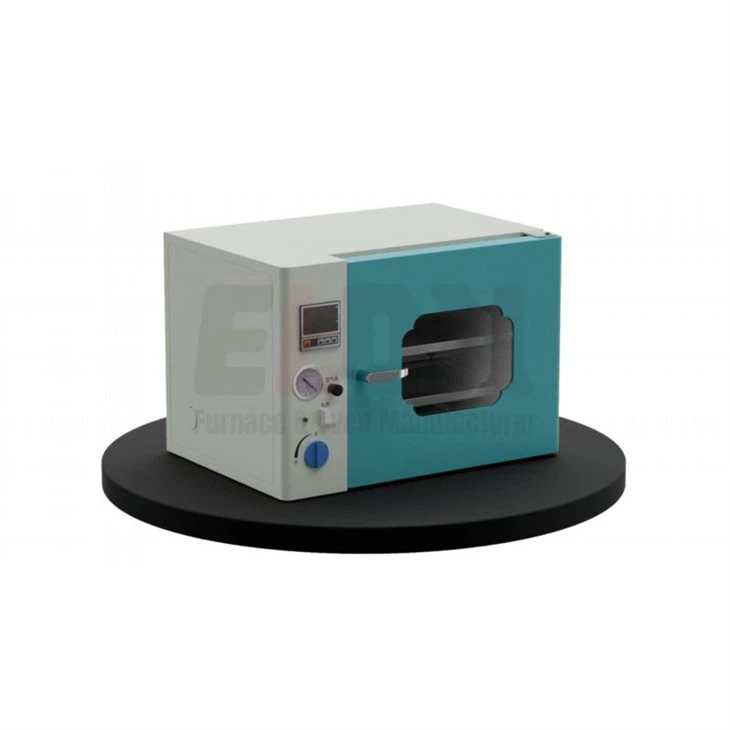
Lab Vacuum Drying Ovens are designed to dry samples under a vacuum environment. They require a more complex construction to maintain the vacuum seal. This includes thicker walls, stronger doors, and additional components such as vacuum pumps. Due to these factors, lab vacuum drying ovens are usually the heaviest among benchtop drying ovens. Their weight can range from 80 to 150 kilograms or even higher for larger models.

Considerations When Choosing an Oven Based on Weight
When selecting a benchtop drying oven, the weight should be considered in conjunction with other factors. If you have limited space and a need for easy mobility, a lighter oven such as a laboratory gravity convection oven might be the best choice. On the other hand, if you require uniform heating and have a larger volume of samples to dry, a forced air lab drying oven, despite its heavier weight, could be more suitable.
If you are working with heat - sensitive materials or need to remove solvents efficiently, a lab vacuum drying oven might be necessary. Although it is heavier, the benefits of the vacuum environment for drying can outweigh the challenges associated with its weight.
It is also important to consider the strength and stability of the laboratory bench where the oven will be placed. A heavy oven requires a sturdy bench to ensure safety and proper operation. If the bench is not strong enough, it might need to be reinforced or replaced.
Our Offerings as a Benchtop Drying Oven Supplier
As a leading supplier of benchtop drying ovens, we understand the importance of weight and its impact on your laboratory operations. We offer a wide range of ovens, including Laboratory Gravity Convection Ovens, Forced Air Lab Drying Ovens, and Lab Vacuum Drying Ovens.
Our ovens are carefully designed to balance weight with performance. We use high - quality materials in our construction to ensure durability while keeping the weight within a reasonable range. Our team of experts can assist you in choosing the right oven based on your specific requirements, including the weight considerations.
Whether you need a lightweight oven for easy mobility or a heavier, more powerful oven for large - scale drying, we have the solution for you. We are committed to providing you with the best - quality benchtop drying ovens that meet your laboratory needs.
Contact Us for Purchase and Consultation
If you are interested in learning more about our benchtop drying ovens or have specific questions regarding the weight and other specifications, we encourage you to contact us. Our sales team is ready to assist you in making the right choice for your laboratory. We can provide detailed information about our products, including weight, dimensions, features, and pricing. Start a conversation with us today and take the first step towards enhancing your laboratory's drying capabilities.
References
- Laboratory Oven Handbook, published by a leading laboratory equipment research institute.
- Industry standards and guidelines for benchtop drying oven design and construction.