


Hey there! As a supplier of Inert Gas Ovens, I often get asked about how these nifty machines handle moisture. It's a crucial aspect, especially when you're dealing with materials that are sensitive to humidity or when you need to achieve specific drying or processing conditions. So, let's dive right in and explore the ins and outs of how an Inert Gas Oven manages moisture.
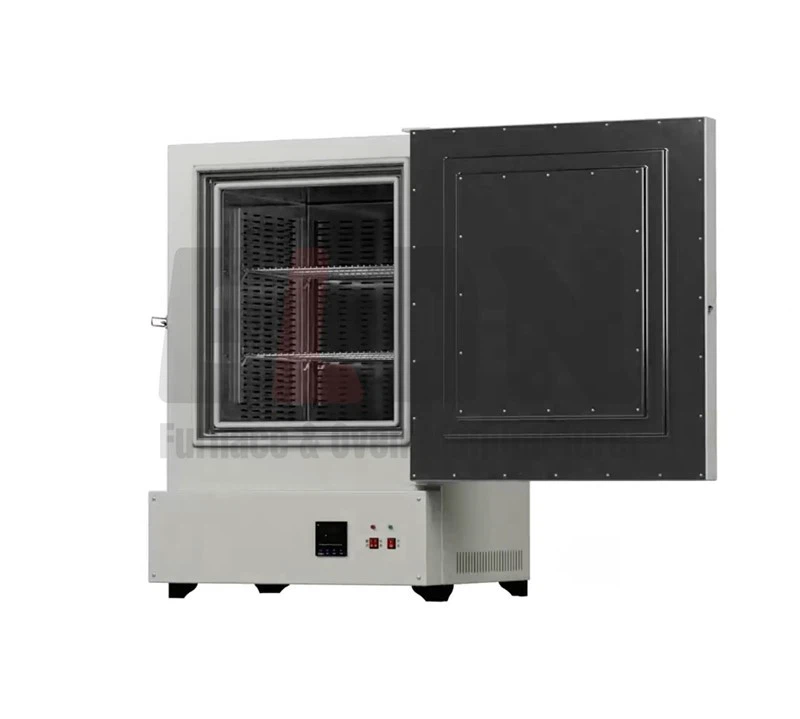
First off, let's understand what an Inert Gas Oven is. An Inert Gas Oven is a specialized piece of equipment designed to create a controlled environment using inert gases like nitrogen or argon. These gases are used to displace oxygen and other reactive gases, preventing oxidation, combustion, and other unwanted chemical reactions. But how does this relate to moisture? Well, moisture can also cause problems in many industrial and scientific processes, and an Inert Gas Oven is equipped to deal with it effectively.
One of the primary ways an Inert Gas Oven handles moisture is through its gas purging system. When you start the oven, it begins by flushing out the existing air inside the chamber with the inert gas. This process not only removes oxygen but also a significant amount of moisture. The inert gas, being dry and non - reactive, replaces the air that contains water vapor. The more thoroughly the oven is purged, the lower the moisture content in the chamber will be. Most modern Inert Gas Ovens have adjustable purging settings, allowing you to control the flow rate and duration of the gas purge according to your specific needs.
Another important feature is the heating element. The heat in an Inert Gas Oven serves multiple purposes. It helps to increase the temperature of the materials inside the chamber, which in turn causes the moisture present in or on the materials to evaporate. As the water turns into vapor, it mixes with the inert gas in the chamber. The oven's ventilation system then helps to remove this moisture - laden gas from the chamber, replacing it with fresh, dry inert gas. This continuous cycle of heating, evaporation, and ventilation helps to gradually reduce the moisture content of the materials.
The insulation of the oven also plays a role in handling moisture. A well - insulated Inert Gas Oven helps to maintain a consistent temperature inside the chamber. If the temperature fluctuates, it can cause condensation to form on the walls of the oven or on the materials themselves. Condensation is essentially water vapor turning back into a liquid state, which defeats the purpose of drying. Good insulation ensures that the heat is evenly distributed and that the temperature remains stable, preventing condensation and promoting efficient moisture removal.
Some Inert Gas Ovens also come with built - in humidity sensors. These sensors continuously monitor the moisture content inside the chamber. Based on the readings, the oven can automatically adjust the purging rate, heating temperature, or ventilation settings to maintain the desired level of dryness. This level of automation is incredibly useful, especially in applications where precise moisture control is critical.
Now, let's talk about the different types of materials and how an Inert Gas Oven handles moisture for them. For porous materials like ceramics or certain polymers, the oven's heating process allows the moisture trapped within the pores to escape. The inert gas then carries this moisture out of the chamber. For materials with a thin layer of surface moisture, such as electronic components, the gas purging and gentle heating quickly remove the water.
In comparison to other types of ovens, an Inert Gas Oven has some distinct advantages when it comes to moisture handling. For example, a regular convection oven may not be able to provide the same level of control over the atmosphere. The presence of oxygen in a convection oven can lead to oxidation during the drying process, especially for sensitive materials. On the other hand, an Inert Gas Oven creates an oxygen - free environment, protecting the materials while effectively removing moisture.
If you're looking for more options in the oven category, we also offer Table Vacuum Oven and Stainless Steel Vacuum Drying Oven. These ovens have their own unique features and are suitable for different applications. A Table Vacuum Oven is great for small - scale operations where space is limited, while a Stainless Steel Vacuum Drying Oven offers durability and corrosion resistance, making it ideal for harsh industrial environments.
In conclusion, an Inert Gas Oven is a powerful tool for handling moisture in a wide range of applications. Its combination of gas purging, heating, ventilation, and in some cases, humidity sensing, allows for precise control over the moisture content inside the chamber. Whether you're working with delicate electronic components or large - scale industrial materials, an Inert Gas Oven can help you achieve your drying and processing goals.
If you're interested in learning more about our Inert Gas Ovens or any of our other oven products, we'd love to have a chat with you. Reach out to us to start a conversation about your specific requirements and how our ovens can meet them. We're here to help you find the perfect solution for your moisture - handling needs.
References

- Industrial Oven Handbook, various industry - specific publications on oven technology.
- Research papers on the effects of moisture on different materials and the role of inert gas environments in industrial processes.


